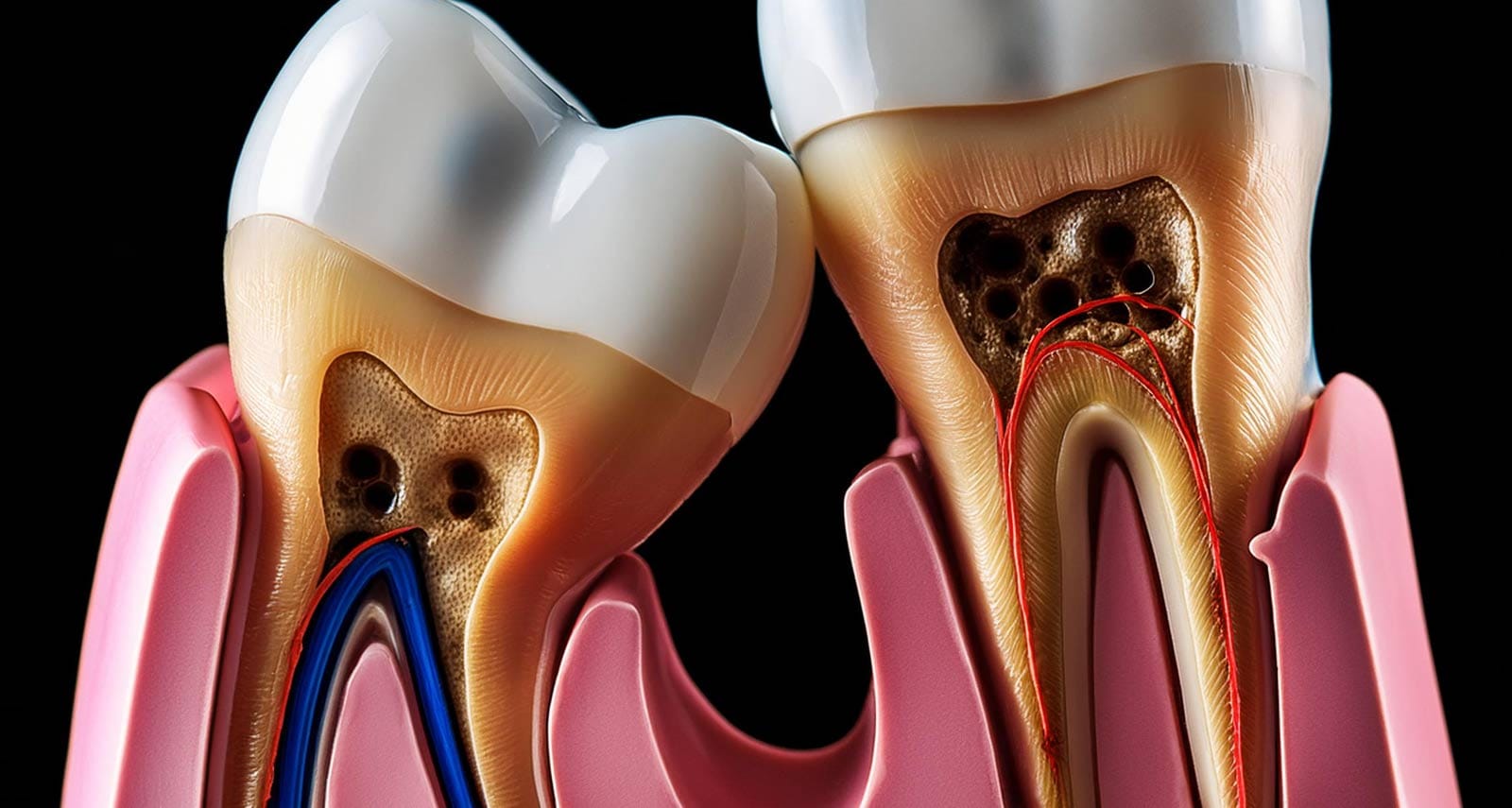
Molars are the most cavity-prone teeth in your mouth. Their broad, grooved chewing surfaces trap food and bacteria, making them harder to clean than front teeth. Understanding why molars are vulnerable helps you protect them.
Why Molars Get More Cavities
Molars have deep pits and fissures where bacteria accumulate. They’re harder to reach with a toothbrush, especially wisdom teeth. Their large surface area means more contact with food, and they bear the most force during chewing, which can crack weakened enamel.
Signs of a Molar Cavity
Sensitivity to hot, cold, or sweet foods, pain when biting, visible dark spots or holes on the chewing surface, food constantly getting stuck in the same spot, and a rough edge you can feel with your tongue. Some molar cavities are hidden between teeth and only show up on X-rays.
Treatment for Molar Cavities
Small cavities need composite fillings. Medium cavities may need inlays or onlays. Large cavities or teeth with repeated fillings often need dental crowns to restore strength. If the nerve is affected, root canal treatment saves the tooth. Badly damaged molars may need extraction and replacement with a dental implant.
Preventing Molar Cavities
Use a toothbrush with a small head to reach back teeth, brush for two full minutes, floss or use interdental brushes between molars, and limit sugary snacks. Dental sealants — a thin protective coating applied to molar surfaces — reduce cavity risk by up to 80%.
If molar cavities have affected your smile or oral health, Persona Smile offers expert restorative treatment at our modern Antalya clinic. Contact us for a free consultation or view our pricing.