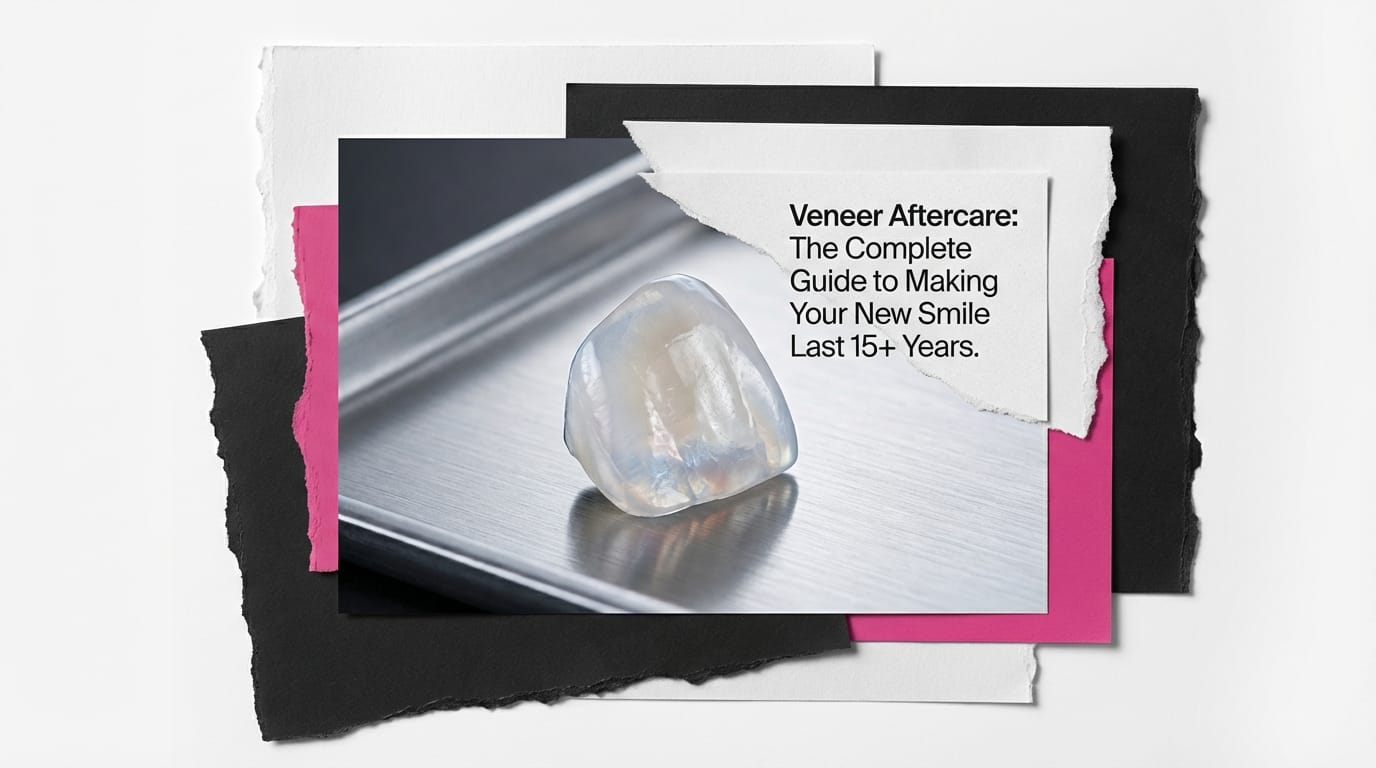
Your Veneers Are an Investment — Here Is How to Protect Them
Porcelain veneers are one of the most effective and transformative cosmetic dental treatments available. When properly cared for, high-quality veneers made from materials like IPS e.max by Ivoclar Vivadent can last 15 to 20 years or more. But longevity depends heavily on how you look after them.
This guide covers everything you need to know about maintaining your veneers — from daily oral hygiene to long-term care strategies that protect your investment.
The First 48 Hours After Placement
The period immediately after your veneers are bonded is critical. The adhesive cement needs time to reach full bond strength. During the first 48 hours, eat only soft foods and avoid biting directly into hard items, avoid very hot or very cold food and drinks as sensitivity is normal in the first few days, do not use your front teeth to tear or pull food, avoid alcohol-based mouthwash as it can weaken the bonding cement before it fully cures, and brush gently with a soft-bristled toothbrush.
Mild sensitivity to temperature is completely normal and usually resolves within one to two weeks. If sensitivity persists beyond two weeks or is severe, contact your dentist.
Daily Oral Hygiene for Veneers
Brushing
Brush twice daily with a soft-bristled toothbrush and non-abrasive fluoride toothpaste. Avoid whitening toothpastes that contain harsh abrasives — these can scratch the surface of porcelain veneers over time, dulling their polish. Electric toothbrushes with pressure sensors are ideal as they prevent excessive force.
Pay particular attention to the gum line where the veneer meets the natural tooth. Plaque accumulation at this margin can lead to gum recession, which may expose the edge of the veneer and create aesthetic concerns.
Flossing
Daily flossing is essential. Slide the floss gently between each tooth and curve it around the base of the tooth in a C-shape. Do not snap the floss aggressively between teeth as this can stress the veneer edges. If you find traditional floss difficult, interdental brushes or a water flosser are excellent alternatives.
Mouthwash
Use a fluoride mouthwash that is alcohol-free. Alcohol-based mouthwashes can weaken the composite bonding cement over time. Fluoride helps strengthen the natural tooth structure beneath and around the veneers. The Oral Health Foundation recommends using mouthwash at a different time to brushing for maximum fluoride benefit.
Foods and Habits to Avoid
Porcelain veneers are strong but not indestructible. Certain habits significantly increase the risk of chipping, cracking, or debonding.
Avoid biting into very hard foods with your front teeth — apples, raw carrots, crusty bread, and ice should be cut into smaller pieces or eaten with your back teeth. Do not use your teeth as tools to open packaging, tear tape, or hold objects. Avoid chewing pens, pencils, or fingernails. Reduce consumption of extremely staining substances such as red wine, coffee, tea, and turmeric — while porcelain resists staining far better than natural enamel, the bonding cement at the margins can discolour over time.
Night Guards: Essential Protection Against Grinding
Bruxism (teeth grinding) is the single biggest threat to veneer longevity. Many people grind their teeth during sleep without realising it. The forces generated during grinding can exceed normal biting forces by five to ten times, creating stress that can crack or chip porcelain.
A custom-made night guard creates a protective barrier between your upper and lower teeth, absorbing and distributing the grinding forces. If you grind your teeth — or if your dentist has identified signs of grinding such as flat wear facets on your teeth — wearing a night guard every night is non-negotiable.
At Persona Smile, custom night guards are available from £50. This is a small investment to protect veneers that may have cost thousands.
Regular Dental Check-Ups
Visit your dentist every six months for a professional examination and cleaning. Your dentist will check the integrity of each veneer, assess the bonding margins, monitor gum health around the veneers, professionally clean areas that are difficult to reach at home, and identify any early signs of problems before they become serious.
Professional cleaning should be done with non-abrasive polishing paste and hand instruments or ultrasonic scalers. Avoid aggressive air-polishing systems (such as air-flow with bicarbonate powder) directly on porcelain surfaces, as these can damage the glaze.
Dealing with Staining at the Margins
While the porcelain surface of veneers resists staining, the thin layer of bonding cement at the edge where the veneer meets the natural tooth can gradually pick up stain over years. This is a cosmetic concern rather than a structural one.
Good oral hygiene significantly slows margin staining. If staining does develop, your dentist can often polish it away during a routine visit. In some cases, the bonding margin can be refreshed — a minor procedure that extends the aesthetic life of the veneer without replacing it.
What If a Veneer Chips or Comes Loose?
If a veneer chips, do not panic. Small chips can sometimes be polished smooth without replacement. Larger chips may require the veneer to be replaced. In either case, see your dentist promptly but there is no immediate emergency.
If a veneer debonds (comes loose), save it carefully in a clean container. Do not try to re-glue it yourself with superglue or household adhesives — these will contaminate the bonding surface and make professional reattachment more difficult. See your dentist as soon as possible; re-bonding a detached veneer is usually straightforward if the veneer is intact.
If you are abroad and experience a problem, contact Persona Smile for guidance. We can advise you on immediate steps and coordinate with your local dentist if needed.
How Long Do Veneers Actually Last?
Clinical studies on IPS e.max porcelain veneers show survival rates above 95% at 10 years when properly maintained. Many veneers last 15 to 20 years before replacement is considered. The most common reasons for veneer replacement are fracture from trauma or grinding (preventable with a night guard), secondary decay in the underlying tooth (preventable with good hygiene), gum recession exposing the veneer margin (minimised with gentle brushing technique), and aesthetic refresh after many years of wear.
With excellent care, your veneers from Persona Smile should serve you well for many years. Read our patient stories to see long-term results.
Frequently Asked Questions
Can I whiten my teeth after getting veneers?
Porcelain veneers do not respond to teeth whitening treatments. The porcelain colour is permanent. However, your natural teeth around and behind the veneers can be whitened. It is best to whiten your natural teeth first and then match the veneer colour to the whitened shade.
Do veneers require special toothpaste?
Use any non-abrasive fluoride toothpaste. Avoid charcoal toothpaste, aggressive whitening formulas, and baking soda-based products. These can scratch the porcelain surface over time.
Can I play sports with veneers?
Yes, but wear a custom sports mouthguard for any contact sport. A standard boil-and-bite guard may not provide adequate protection. Your dentist can fabricate a custom guard that fits precisely over your veneers.
Will my veneers look the same in 10 years?
High-quality porcelain veneers maintain their colour and lustre over time because porcelain does not stain or discolour the way natural enamel or composite bonding can. The main aesthetic change over time may be slight gum recession around the margins, which is minimised with proper brushing technique.